
Through the Lens: Young Europeans Turn Cameras Toward Social Change
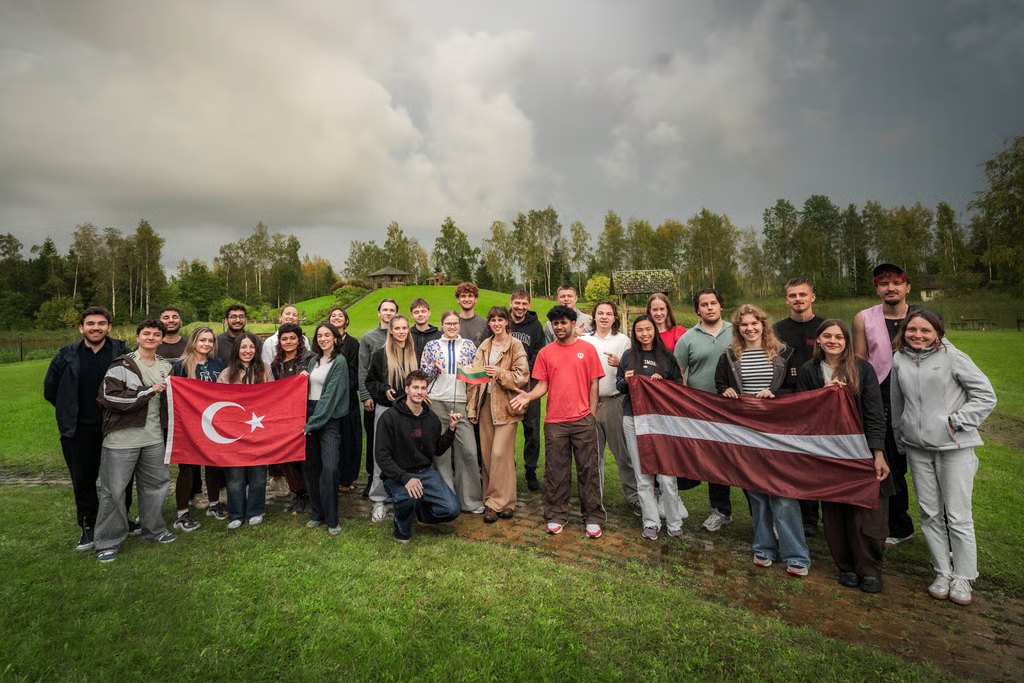
From August 31 to September 8, 28 young people from Latvia, Lithuania and Türkiye gathered in the Limbaži region of Latvia for the Erasmus+ youth exchange “Through the Lens.”
The whole week in a few minutes
The project, organised by the Latvian organisation Studija Cita Perspektīva together with partner organisations from Lithuania and Türkiye, explored how filmmaking, social media and digital storytelling could be used not only for entertainment or commercial purposes, but also to raise awareness, encourage social change and strengthen active citizenship.
During intensive seven days, participants learned how to create their own media, question the information they encountered online and use digital platforms more responsibly.
The topic reflected an important reality for young Europeans. Eurostat data from recent years have shown that more than 95% of people aged 16 to 29 in the European Union use the internet every day.
Digital participation, however, does not automatically translate into civic participation.
Young people may spend several hours a day consuming news, videos and social media posts, while participating much less frequently in community organisations, public discussions or formal democratic processes such as elections.
Across Europe, studies of electoral participation have also repeatedly shown differences between younger and older voters, with younger age groups often participating less consistently in elections.
This created an important question for the project: could the same digital tools that occupy so much of young people’s attention also encourage them to become more active citizens?
From content consumers to active citizens
“Through the Lens” approached media literacy as more than the ability to recognise fake news.
Participants were encouraged to understand how information influences opinions, how narratives are constructed and how media can shape public debate.
They took part in sessions on visual storytelling, filmmaking, media ethics, misinformation, and responsible digital behaviour.
The activities also connected digital literacy with active citizenship.
Being an active citizen can mean many things: participating in local initiatives, volunteering, speaking about social issues, engaging in public discussions, supporting community actions and, for those eligible, voting in local, national and European elections.
For the organisers, understanding media is increasingly important for all of these forms of participation.
A young voter who cannot distinguish a reliable source from manipulated information, for example, may find it more difficult to make an informed decision. In the same way, social media can either strengthen public discussion or contribute to polarisation and misinformation, depending on how it is used.
“We were very happy to host this youth exchange and bring together young people from three countries. Through ‘Through the Lens’, we wanted to show that filmmaking is not only for commercial purposes or entertainment. It can be a powerful tool for raising awareness, giving visibility to social issues and encouraging positive change. Young people already use social media every day, so it is important to show that these platforms can also be used to participate in society, share meaningful ideas and encourage others to become active citizens.”
Eduardas Pontežis, Director of Studija Cita Perspektīva
Learning how media shapes decisions
Much of the learning took place through practical activities rather than traditional lectures.
Participants developed stories, wrote scripts, filmed footage and discussed how different creative choices could change the meaning of a message.
They explored questions such as: Why was a particular image selected? Which voices were included in a story and which were missing? Could a headline change the way people understood an event? How could emotional content influence political or social opinions?
These questions became especially relevant when discussing misinformation.
In democratic societies, citizens are expected to make informed choices. But those decisions increasingly take place in an environment where political messages, news, personal opinions, advertising and misleading content can all appear on the same social media feed.
The project therefore encouraged participants to pause before sharing information, verify sources, recognise bias and consider who created a message and for what purpose.
In this sense, media literacy became closely connected with democratic participation.
Three countries, three films and different perspectives
One of the main elements of the exchange was international teamwork.
Young people from Latvia, Lithuania and Türkiye developed ideas together, prepared scripts, divided production roles and went into surrounding area to collect footage.
During the project, participants produced three original short films exploring themes connected with social challenges, inclusion, local communities and tourism.
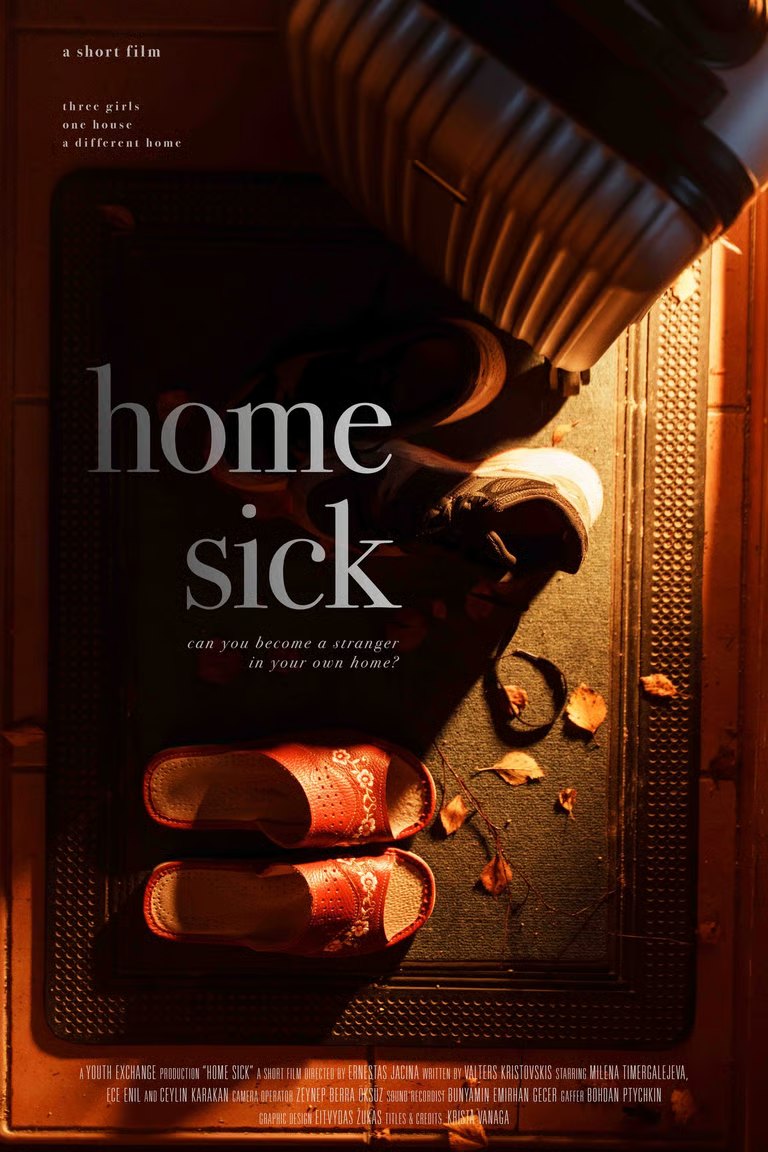
Home Sick
After welcoming two exchange students into her home, a young woman begins to feel like a stranger in her own space. But is her growing isolation real — or only in her mind?
Watch on YouTube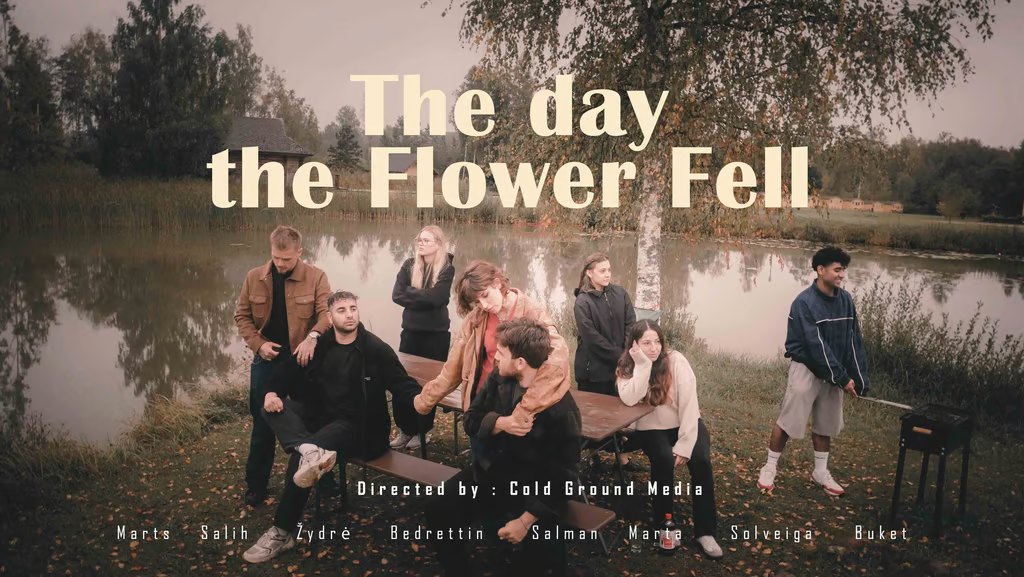
The Day the Flower Fell
With few opportunities in rural Latvia, young people leave home in search of a better future. The film reveals how migration reaches far beyond employment, affecting relationships, finances and personal well-being.
Watch on YouTube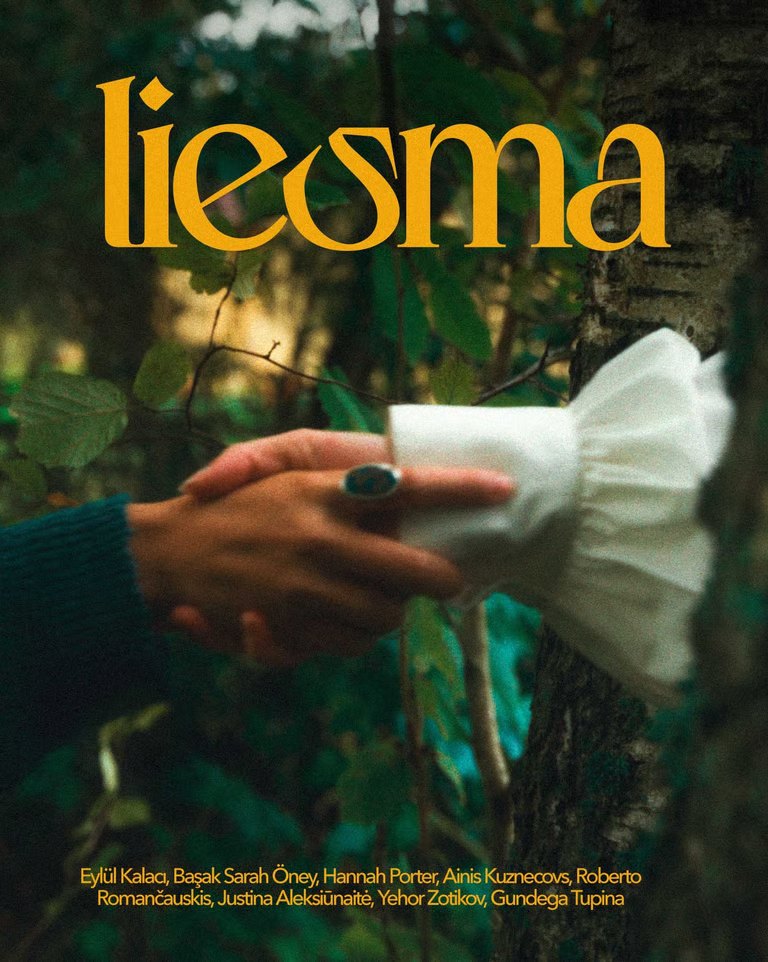
Liesma
After a final phone call with her dying grandmother, a young woman is drawn into her family’s ancestral memories. Through nature, folklore and ritual, she searches for a way to understand her roots and release her grief.
Watch on YouTubeWorking with people from different countries also demonstrated how differently the same social issue could be understood.
Instead of treating those differences as obstacles, participants learned to discuss them, compare perspectives and search for common ground.
For Tomas Jenkelevič, representing the Lithuanian partner organisation, this was closely connected with the idea of social responsibility.
“It is important not only to talk about social change, but also to show young people that they have real tools to contribute to it. Filmmaking can be a powerful tool for raising awareness, starting conversations and helping young people make their voices heard. Active citizenship begins when people understand that their opinion and participation matter — whether that means taking part in a community initiative, speaking about an important issue or voting in an election.”
Tomas Jenkelevič, Lithuanian partner organisation
More than filmmaking
Although cameras and storytelling were at the centre of the exchange, “Through the Lens” was also about communication and intercultural understanding.
Participants from the three countries lived, learned and created together.
The programme was based on non-formal education methods, including debates, group discussions, role plays, simulations, creative workshops and collaborative tasks. These activities encouraged participants to learn through experience, exchange perspectives and actively take part in the learning process rather than simply receive information.
Non-formal education is a participatory approach to learning that takes place outside traditional classrooms and focuses on practical experience, reflection and peer-to-peer learning.
Cultural evenings and a bonfire storytelling session gave participants opportunities to share traditions, experiences and different perspectives from their home countries.
These activities strengthened communication, teamwork, creativity and problem-solving skills.
They also showed participants that citizenship did not stop at national borders. Many social challenges — misinformation, discrimination, social exclusion or declining trust — affect young people across Europe.
International youth projects can create a space where those issues are discussed beyond a single national perspective.
For the Turkish group, that international experience was one of the important results of the exchange.
“We were very thankful for the opportunity to take part in this youth exchange. The project was very well organised, and our group really enjoyed the experience. Our participants learned new skills, met young people from different cultures and worked together in an international environment. We returned home with new knowledge, new friendships and very positive memories from Latvia.”
Turgut Kaan Akkoca, team leader of the Turkish team
Online every day — but how active are we?
The contrast between high digital activity and lower levels of civic engagement raised one of the project’s broader questions.
If almost all young Europeans are online every day, digital platforms have enormous potential to reach them.
The challenge is what happens next.
Watching a political video is not the same as understanding an issue. Liking a post about climate change is not the same as participating in a local initiative. Sharing an election-related message is not the same as checking whether the information is reliable — or actually going to vote.
Digital engagement can be the beginning of participation, but it does not automatically become active citizenship.
The project encouraged young people to think about that difference.
Social media can be used to organise community initiatives, explain elections, promote volunteering, highlight human rights issues, encourage participation and make voices from smaller communities more visible.
But to use those opportunities responsibly, young people need critical thinking and media literacy.
A camera can be a civic tool
By writing scripts, choosing camera angles, recording interviews and editing their films, participants experienced first-hand how easily the presentation of a story can influence its meaning.
That knowledge can be valuable far beyond filmmaking.
A person who understands how a video is edited may also question a viral political clip. Someone who has learned to identify bias may become more careful when reading election-related information. And a young person who has learned to tell a meaningful story may feel more confident speaking about an issue affecting their community.
This was one of the central messages of “Through the Lens”: active citizenship does not begin only at the ballot box.
Voting remains one of the most important ways citizens can participate in a democracy, but participation also happens between elections — through community involvement, public discussion, volunteering, advocacy, creativity and responsible communication.
For the 28 young people who gathered in Latvia, filmmaking became one way to explore that responsibility.
The project showed that social media did not have to be only a place for scrolling and entertainment. With the right skills and a critical approach, it could also become a space for dialogue, participation and social change.
Funded by the Erasmus+ Programme of the European Union. Views and opinions expressed are however those of the author only and do not necessarily reflect those of the European Union or the National Agency. Neither the European Union nor the National Agency can be held responsible for them.
Through the Lens: Genç Avrupalılar Kameralarını Toplumsal Değişime Çeviriyor
31 Ağustos – 8 Eylül tarihleri arasında Letonya, Litvanya ve Türkiye’den 28 genç, Erasmus+ gençlik değişimi “Through the Lens” (Objektifin Ardından) için Letonya’nın Limbaži bölgesinde bir araya geldi.
Bir haftanın tamamı birkaç dakikada
Letonya’dan Studija Cita Perspektīva derneğinin Litvanya ve Türkiye’deki ortak kuruluşlarla birlikte düzenlediği proje, film yapımının, sosyal medyanın ve dijital hikâye anlatımının yalnızca eğlence ya da ticari amaçlarla değil; farkındalık yaratmak, toplumsal değişimi teşvik etmek ve aktif vatandaşlığı güçlendirmek için de nasıl kullanılabileceğini ele aldı.
Yedi yoğun gün boyunca katılımcılar kendi medya içeriklerini üretmeyi, internette karşılaştıkları bilgileri sorgulamayı ve dijital platformları daha sorumlu kullanmayı öğrendi.
Konu, Avrupalı gençler için önemli bir gerçeği yansıtıyordu. Eurostat’ın son yıllardaki verileri, Avrupa Birliği’nde 16–29 yaş arasındaki kişilerin %95’inden fazlasının interneti her gün kullandığını gösteriyor.
Ancak dijital katılım, kendiliğinden toplumsal katılıma dönüşmüyor.
Gençler günde saatlerce haber, video ve sosyal medya paylaşımı tüketirken; yerel kuruluşlara, kamusal tartışmalara ya da seçimler gibi resmî demokratik süreçlere çok daha seyrek katılabiliyor.
Avrupa genelinde seçime katılım üzerine yapılan araştırmalar da genç ve yaşlı seçmenler arasında farklar olduğunu, genç yaş gruplarının seçimlere çoğu zaman daha düzensiz katıldığını defalarca ortaya koydu.
Bu durum proje için önemli bir soruyu gündeme getirdi: Gençlerin dikkatinin bu kadar büyük bir kısmını kaplayan dijital araçlar, onları daha aktif vatandaşlar olmaya da teşvik edebilir mi?
İçerik tüketicisinden aktif vatandaşa
“Through the Lens”, medya okuryazarlığını sahte haberleri tanıyabilme becerisinden çok daha geniş bir kavram olarak ele aldı.
Katılımcılar; bilginin görüşleri nasıl etkilediğini, anlatıların nasıl kurulduğunu ve medyanın kamusal tartışmayı nasıl şekillendirebildiğini anlamaya teşvik edildi.
Görsel hikâye anlatımı, film yapımı, medya etiği, dezenformasyon ve sorumlu dijital davranış üzerine oturumlara katıldılar.
Etkinlikler, dijital okuryazarlığı aktif vatandaşlıkla da ilişkilendirdi.
Aktif vatandaş olmak pek çok anlama gelebilir: yerel girişimlere katılmak, gönüllülük yapmak, toplumsal sorunlar hakkında konuşmak, kamusal tartışmalara dahil olmak, topluluk çalışmalarını desteklemek ve oy hakkı olanlar için yerel, ulusal ve Avrupa seçimlerinde oy kullanmak.
Düzenleyicilere göre medyayı anlamak, tüm bu katılım biçimleri için giderek daha önemli hâle geliyor.
Örneğin güvenilir bir kaynağı manipüle edilmiş bilgiden ayırt edemeyen genç bir seçmen, bilinçli bir karar vermekte daha çok zorlanabilir. Aynı şekilde sosyal medya, nasıl kullanıldığına bağlı olarak kamusal tartışmayı güçlendirebilir ya da kutuplaşmaya ve dezenformasyona katkıda bulunabilir.
“Bu gençlik değişimine ev sahipliği yapmaktan ve üç ülkeden gençleri bir araya getirmekten çok mutlu olduk. ‘Through the Lens’ ile film yapımının yalnızca ticari amaçlar ya da eğlence için olmadığını göstermek istedik. Film; farkındalık yaratmak, toplumsal sorunları görünür kılmak ve olumlu değişimi teşvik etmek için güçlü bir araç olabilir. Gençler zaten her gün sosyal medya kullanıyor; bu yüzden bu platformların topluma katılmak, anlamlı fikirler paylaşmak ve başkalarını aktif vatandaş olmaya teşvik etmek için de kullanılabileceğini göstermek önemli.”
Eduardas Pontežis, Studija Cita Perspektīva Direktörü
Medyanın kararlarımızı nasıl şekillendirdiğini öğrenmek
Öğrenmenin büyük kısmı geleneksel derslerle değil, uygulamalı etkinliklerle gerçekleşti.
Katılımcılar hikâyeler geliştirdi, senaryolar yazdı, çekimler yaptı ve farklı yaratıcı tercihlerin bir mesajın anlamını nasıl değiştirebileceğini tartıştı.
Şu gibi soruların peşine düştüler: Neden özellikle bu görüntü seçildi? Bir hikâyede hangi seslere yer verildi, hangileri eksik kaldı? Bir başlık, insanların bir olayı nasıl anladığını değiştirebilir mi? Duygusal içerik siyasi ya da toplumsal görüşleri nasıl etkileyebilir?
Bu sorular özellikle dezenformasyon konuşulurken önem kazandı.
Demokratik toplumlarda vatandaşlardan bilgiye dayalı seçimler yapmaları beklenir. Ancak bu kararlar giderek siyasi mesajların, haberlerin, kişisel görüşlerin, reklamların ve yanıltıcı içeriklerin aynı sosyal medya akışında yan yana göründüğü bir ortamda veriliyor.
Bu nedenle proje, katılımcıları bilgi paylaşmadan önce durmaya, kaynakları doğrulamaya, yanlılığı fark etmeye ve bir mesajı kimin, hangi amaçla oluşturduğunu düşünmeye teşvik etti.
Bu anlamda medya okuryazarlığı, demokratik katılımla yakından ilişkili hâle geldi.
Üç ülke, üç film ve farklı bakış açıları
Değişimin temel unsurlarından biri uluslararası ekip çalışmasıydı.
Letonya, Litvanya ve Türkiye’den gençler birlikte fikir geliştirdi, senaryo hazırladı, prodüksiyon görevlerini paylaştı ve çekim yapmak için çevredeki bölgelere çıktı.
Proje süresince katılımcılar; toplumsal sorunlar, kapsayıcılık, yerel topluluklar ve turizmle ilgili temaları işleyen üç özgün kısa film üretti.
Home Sick
Evine iki değişim öğrencisini kabul eden genç bir kadın, kendi alanında bir yabancı gibi hissetmeye başlar. Peki büyüyen yalnızlığı gerçek mi, yoksa sadece zihninde mi?
YouTube’da izle
The Day the Flower Fell
Kırsal Letonya’da fırsatların azlığı, gençleri daha iyi bir gelecek arayışıyla evlerinden uzaklaştırır. Film, göçün istihdamın çok ötesine geçerek ilişkileri, maddi durumu ve kişisel iyi oluşu nasıl etkilediğini gözler önüne seriyor.
YouTube’da izle
Liesma
Ölmek üzere olan büyükannesiyle yaptığı son telefon görüşmesinin ardından genç bir kadın, ailesinin kuşaklar öncesine uzanan anılarına çekilir. Doğa, halk kültürü ve ritüeller aracılığıyla köklerini anlamanın ve yasını bırakmanın bir yolunu arar.
YouTube’da izleFarklı ülkelerden insanlarla çalışmak, aynı toplumsal sorunun ne kadar farklı biçimlerde anlaşılabileceğini de gösterdi.
Katılımcılar bu farklılıkları birer engel olarak görmek yerine onları tartışmayı, bakış açılarını karşılaştırmayı ve ortak bir zemin aramayı öğrendi.
Litvanyalı ortak kuruluşu temsil eden Tomas Jenkelevič için bu, toplumsal sorumluluk fikriyle yakından bağlantılıydı.
“Yalnızca toplumsal değişimden söz etmek değil, gençlere buna katkıda bulunmak için gerçek araçlara sahip olduklarını göstermek de önemli. Film yapımı farkındalık yaratmak, konuşmalar başlatmak ve gençlerin seslerini duyurmalarına yardımcı olmak için güçlü bir araç olabilir. Aktif vatandaşlık, insanlar görüşlerinin ve katılımlarının önemli olduğunu anladığında başlar — bu bir topluluk girişimine katılmak, önemli bir konu hakkında konuşmak ya da bir seçimde oy kullanmak olabilir.”
Tomas Jenkelevič, Litvanyalı ortak kuruluş
Film yapımından fazlası
Kameralar ve hikâye anlatımı değişimin merkezinde olsa da “Through the Lens” aynı zamanda iletişim ve kültürlerarası anlayışla ilgiliydi.
Üç ülkeden katılımcılar birlikte yaşadı, öğrendi ve üretti.
Program; münazaralar, grup tartışmaları, rol oyunları, simülasyonlar, yaratıcı atölyeler ve ortak görevler gibi yaygın eğitim yöntemlerine dayanıyordu. Bu etkinlikler katılımcıları yalnızca bilgi almak yerine deneyimleyerek öğrenmeye, bakış açılarını paylaşmaya ve öğrenme sürecine aktif olarak katılmaya teşvik etti.
Yaygın eğitim; geleneksel sınıfların dışında gerçekleşen, pratik deneyime, yansıtmaya ve akranlar arası öğrenmeye odaklanan katılımcı bir öğrenme yaklaşımıdır.
Kültür geceleri ve ateş başında hikâye anlatımı oturumu, katılımcılara kendi ülkelerinden gelenekleri, deneyimleri ve farklı bakış açılarını paylaşma fırsatı verdi.
Bu etkinlikler iletişim, ekip çalışması, yaratıcılık ve problem çözme becerilerini güçlendirdi.
Aynı zamanda katılımcılara vatandaşlığın ulusal sınırlarda bitmediğini gösterdi. Dezenformasyon, ayrımcılık, sosyal dışlanma ya da azalan güven gibi pek çok toplumsal sorun, Avrupa’nın dört bir yanındaki gençleri etkiliyor.
Uluslararası gençlik projeleri, bu konuların tek bir ulusal bakış açısının ötesinde tartışılabileceği bir alan yaratabilir.
Türk grubu için bu uluslararası deneyim, değişimin önemli sonuçlarından biriydi.
“Bu gençlik değişimine katılma fırsatı için çok minnettarız. Proje çok iyi organize edilmişti ve grubumuz deneyimden gerçekten keyif aldı. Katılımcılarımız yeni beceriler öğrendi, farklı kültürlerden gençlerle tanıştı ve uluslararası bir ortamda birlikte çalıştı. Letonya’dan yeni bilgiler, yeni arkadaşlıklar ve çok güzel anılarla döndük.”
Turgut Kaan Akkoca, Türk takımının lideri
Her gün çevrimiçiyiz — peki ne kadar aktifiz?
Yüksek dijital aktivite ile daha düşük toplumsal katılım arasındaki fark, projenin daha geniş sorularından birini gündeme getirdi.
Avrupalı gençlerin neredeyse tamamı her gün çevrimiçiyse, dijital platformların onlara ulaşma potansiyeli çok büyük.
Asıl mesele, bundan sonra ne olduğu.
Siyasi bir video izlemek, bir konuyu anlamakla aynı şey değil. İklim değişikliğiyle ilgili bir gönderiyi beğenmek, yerel bir girişime katılmakla aynı şey değil. Seçimle ilgili bir mesajı paylaşmak, bilginin güvenilir olup olmadığını kontrol etmekle ya da gerçekten oy kullanmaya gitmekle aynı şey değil.
Dijital etkileşim katılımın başlangıcı olabilir, ancak kendiliğinden aktif vatandaşlığa dönüşmez.
Proje, gençleri bu fark üzerine düşünmeye teşvik etti.
Sosyal medya; topluluk girişimleri düzenlemek, seçimleri anlatmak, gönüllülüğü teşvik etmek, insan hakları konularını öne çıkarmak, katılımı artırmak ve küçük toplulukların seslerini daha görünür kılmak için kullanılabilir.
Ancak bu fırsatları sorumlu biçimde kullanabilmek için gençlerin eleştirel düşünmeye ve medya okuryazarlığına ihtiyacı var.
Kamera bir vatandaşlık aracı olabilir
Senaryo yazarak, kamera açıları seçerek, röportajlar kaydederek ve filmlerini kurgulayarak katılımcılar, bir hikâyenin sunuluş biçiminin anlamını ne kadar kolay etkileyebileceğini bizzat deneyimledi.
Bu bilgi, film yapımının çok ötesinde değerli olabilir.
Bir videonun nasıl kurgulandığını bilen biri, viral bir siyasi klibi de sorgulayabilir. Yanlılığı tanımayı öğrenen biri, seçimle ilgili bilgileri okurken daha dikkatli olabilir. Anlamlı bir hikâye anlatmayı öğrenen bir genç de topluluğunu etkileyen bir konu hakkında konuşurken kendine daha çok güvenebilir.
Bu, “Through the Lens”in temel mesajlarından biriydi: Aktif vatandaşlık yalnızca sandıkta başlamaz.
Oy kullanmak, vatandaşların demokrasiye katılmasının en önemli yollarından biri olmaya devam ediyor; ancak katılım seçimler arasında da sürüyor — topluluk çalışmalarıyla, kamusal tartışmalarla, gönüllülükle, savunuculukla, yaratıcılıkla ve sorumlu iletişimle.
Letonya’da bir araya gelen 28 genç için film yapımı, bu sorumluluğu keşfetmenin yollarından biri oldu.
Proje, sosyal medyanın yalnızca ekran kaydırılan ve eğlenilen bir yer olmak zorunda olmadığını gösterdi. Doğru beceriler ve eleştirel bir yaklaşımla diyalog, katılım ve toplumsal değişim için bir alana da dönüşebilir.
Avrupa Birliği Erasmus+ Programı tarafından finanse edilmiştir. Ancak ifade edilen görüş ve düşünceler yalnızca yazara aittir ve Avrupa Birliği’nin ya da Ulusal Ajans’ın görüşlerini yansıtmayabilir. Avrupa Birliği ve Ulusal Ajans bunlardan sorumlu tutulamaz.